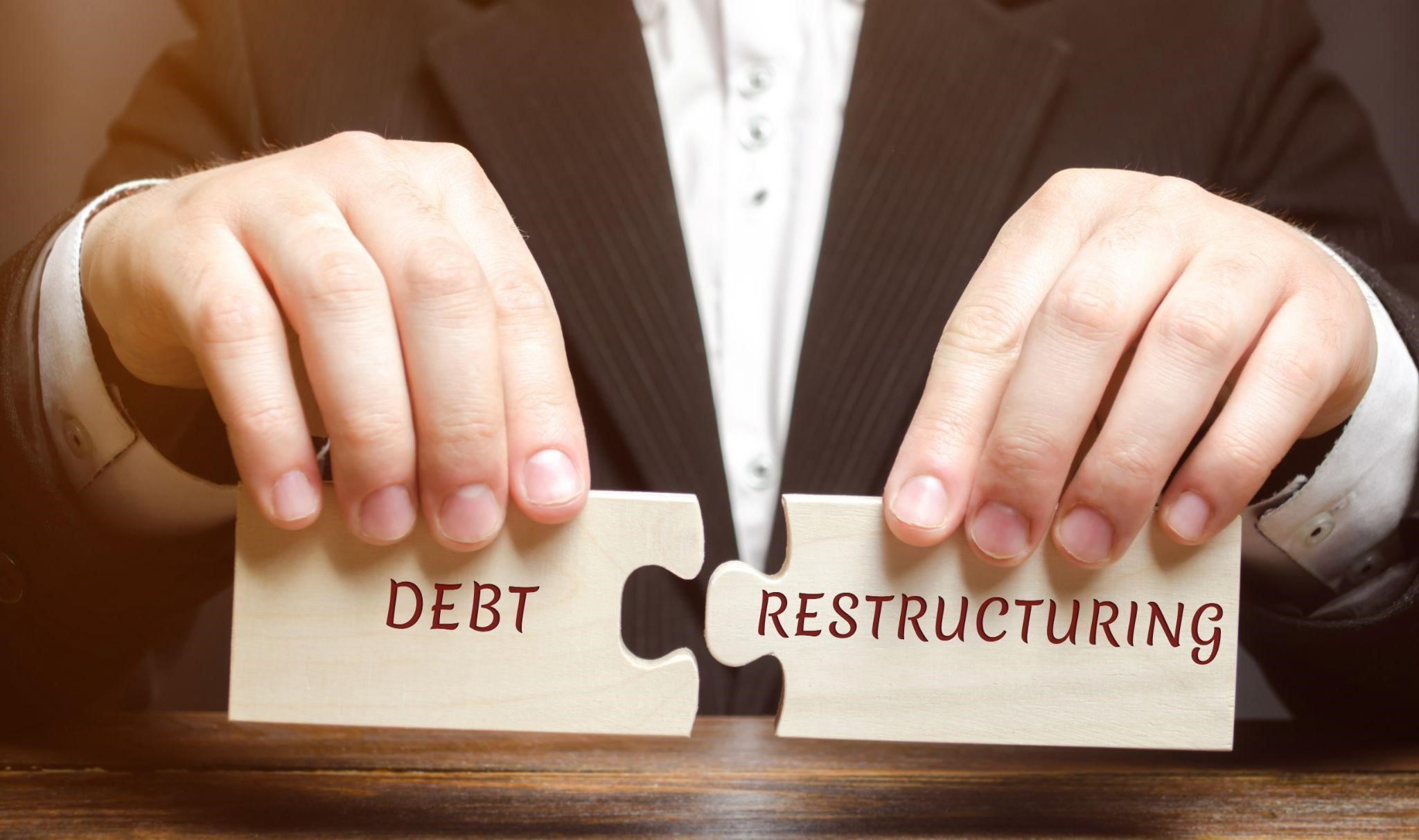
Debt has become a common part of modern financial life for folks, businesses, and even governments. While borrowing can support growth and opportunity, excessive financial obligations can create serious challenges when repayment becomes difficult. In such situations, debt restructuring emerges as a practical and strategic solution that enables borrowers to regain control of their finances while maintaining relationships with creditors. Understanding how debt restructuring works and why it matters is essential for anyone facing financial pressure in an uncertain economic environment.
Debt restructuring refers to the process of adjusting the terms of existing debt agreements to make repayment more manageable drp 影響. This may include extending repayment periods, reducing interest rates, consolidating multiple debts into one obligation, or talking part forgiveness of outstanding balances. The primary objective is not to eliminate responsibility but to create realistic repayment conditions that prevent default or bankruptcy.
Financial trouble can arise from many circumstances. Economic downturns, unexpected medical expenses, business losses, inflation, or sudden being out of work can quickly break up even well-planned budgets. When income decreases or expenses increase beyond expectations, borrowers may struggle to meet payment deadlines. Without involvement, missed payments can lead to penalties, damaged credit scoring, legal action, or asset loss. Debt restructuring offers a aggressive alternative that focuses on recovery rather than financial failure.
For folks, debt restructuring often involves talking with banks, the creditors, or lending institutions. Borrowers may request lower monthly bills or longer repayment schedules that better line-up with their income levels. In some cases, lenders agree because receiving smaller payments over time is superior to the risk of total default. This cooperative approach benefits both sides, as creditors recover funds while borrowers avoid severe financial consequences.
Businesses frequently rely on debt restructuring during periods of in business stress. Companies experiencing heading downward revenue may struggle to meet loan obligations despite having viable long-term prospects. By renegotiating debt terms, businesses can free up cash flow needed for operations, employee salaries, and investment in recovery strategies. Successful restructuring can preserve jobs, become stable markets, and forestall company closures that would negatively affect entire communities.
Debt restructuring is also relevant at the national level. Governments facing high public debt sometimes negotiate with international lenders or financial institutions to regulate repayment timelines or interest obligations. These agreements try to restore economic stability while allowing countries to continue funding essential services such as healthcare, education, and structure development. Although complex, sovereign debt restructuring highlights how financial flexibility can support long-term economic recovery.
One of the most important facets of debt restructuring is communication. Borrowers who recognize financial difficulties early and approach creditors honestly often achieve better outcomes. Lenders typically prefer negotiated solutions over costly legal differences or bankruptcy process. Openness regarding financial conditions, income sources, and repayment capacity helps build trust and increases the possibilities of successful agreements.
Another benefit from debt restructuring is the potential improvement of financial discipline. The restructuring process often requires borrowers to handle spending habits, prioritize essential expenses, and create structured repayment plans. This financial reassessment can encourage responsible money management practices that reduce the possibilities of future debt problems. Over time, consistent adherence to revised payment schedules may even help rebuild creditworthiness.
However, debt restructuring is not without challenges. Discussions can be complex, and outcomes vary depending on the borrower’s particular predicament and creditor policies. Some agreements may briefly affect credit scores, and certain restructuring options could involve fees or legal procedures. It is therefore important to carefully review all terms before finalizing any arrangement. Seeking advice from financial professionals or credit therapists can help borrowers make informed decisions.
Technology in addition has transformed the debt restructuring landscape. Digital financial tools now allow borrowers to track payments, compare restructuring options, and communicate with lenders more efficiently. Online platforms and financial advisory services have made assistance more accessible, enabling individuals and businesses to explore solutions without extensive admin barriers. This technological shift has increased awareness and reduced the stigma often associated with financial difficulty.
Psychologically, debt restructuring can provide significant relief. Financial stress is closely associated with anxiety, reduced productivity, and strained personal relationships. When repayment obligations become manageable, borrowers often experience restored confidence and emotional stability. The sense of progress toward financial recovery can motivate individuals and organizations to pay attention to long-term goals rather than immediate financial pressure.
Preventive planning plays an important role alongside restructuring efforts. While restructuring addresses existing problems, maintaining emergency savings, diversifying income sources, and avoiding excessive borrowing can reduce future risks. Financial education encourages borrowers to understand interest rates, loan terms, and repayment structures before taking on debt, making them better ready to manage obligations responsibly.
The success of debt restructuring ultimately depends on commitment from both borrowers and creditors. Borrowers must honor revised agreements and look after financial discipline, while creditors must demonstrate flexibility and realistic expectations. When cooperation exists, restructuring becomes a powerful tool that makes over financial distress into an opportunity for rebirth.
In today’s rapidly changing economic environment, uncertainty is inevitable. Market movement, global crises, and personal challenges can impact financial stability at any time. Debt restructuring gives a structured and constructive respond to these challenges by offering a walkway toward sustainability rather than failure. It acknowledges that financial challenges do not define long-term potential and that adjustment, negotiation, and planning can restore balance.
As knowing of financial wellness continues to grow, debt restructuring is increasingly known as a responsible financial strategy rather than a last resort. It allows individuals to protect their livelihoods, businesses to preserve operations, and economies to maintain stability during difficult periods. By focusing on realistic solutions and collaborative problem-solving, debt restructuring demonstrates that financial recovery is achievable through innovative planning and mutual cooperation.